What measurements should I request for a hoodie?
Chest width and length are usually the first useful measurements; sleeve or shoulder can help if fit is uncertain.
Published August 26, 2026
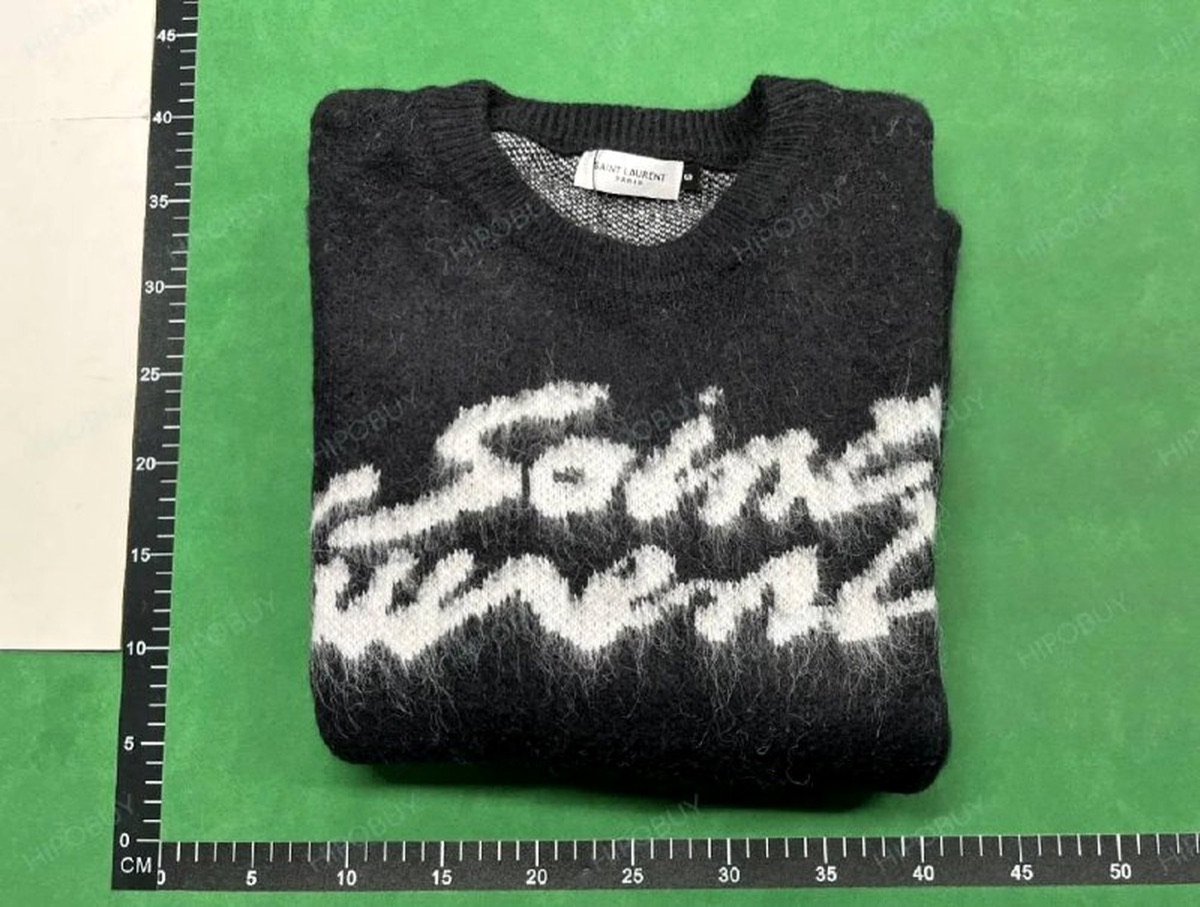
Hoodie QC is mostly about measurements, front/back layout, label evidence, print placement, visible damage and whether compression during shipping is acceptable.
Check the official platform and the seller record for current terms. Warehouse photos show visible details but do not certify authenticity or hidden materials.
For a hoodie or sweatshirt, the biggest avoidable mistake is fit. Use chest width, length, shoulder or sleeve measurement photos when available, instead of relying only on a size label.
Warehouse photos can show visible layout and condition. They cannot prove fabric composition, authenticity, long-term wear or official supply.
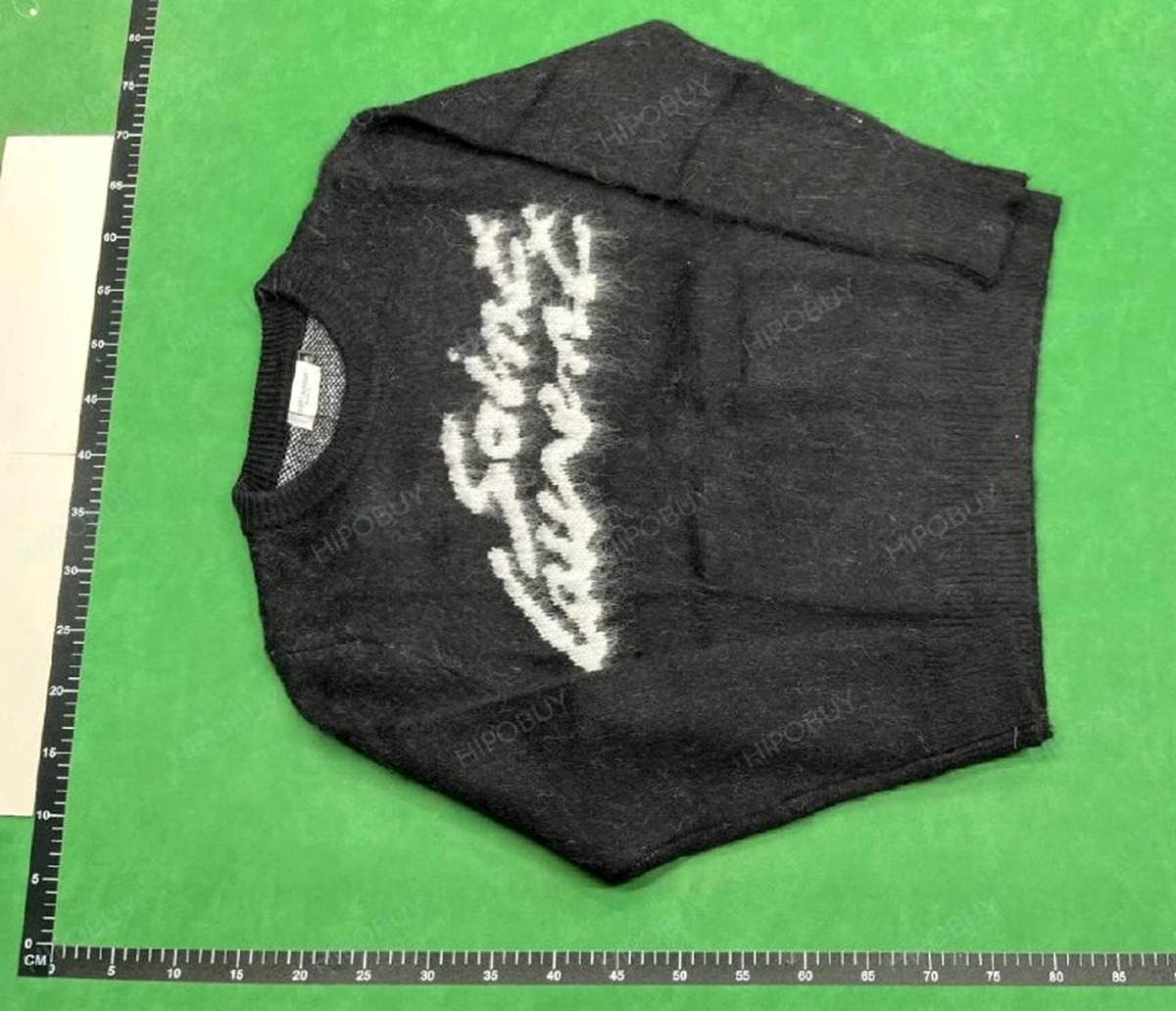
A folded photo can identify the item and visible graphic area. A flat front or back photo is better for print placement, body shape and obvious stains or damage.
If the page only shows one folded photo, request a flat view before shipping.
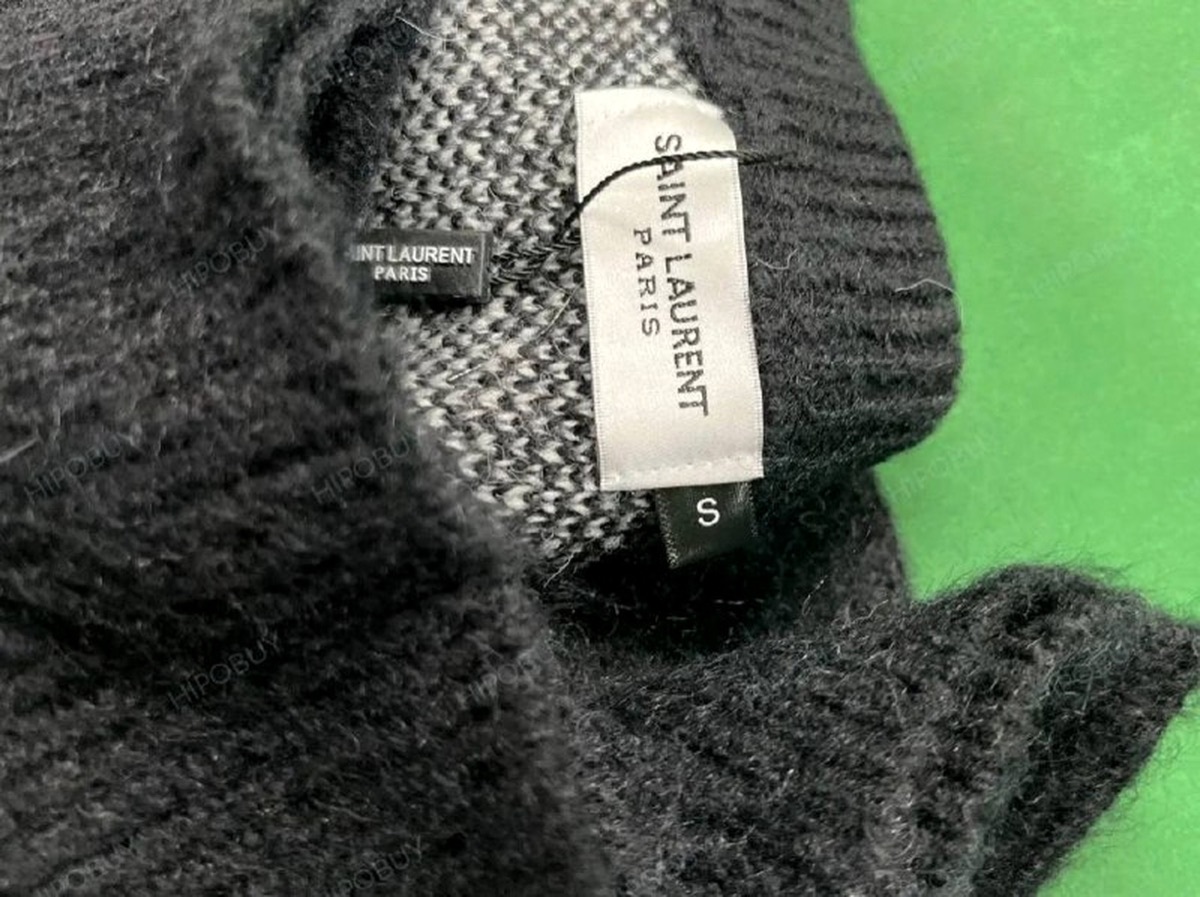
Label photos can help compare size, care tag or neck tag details with the selected option. But a tag photo does not prove official status or fabric quality.
Use the label to decide whether the warehouse item matches the order record.
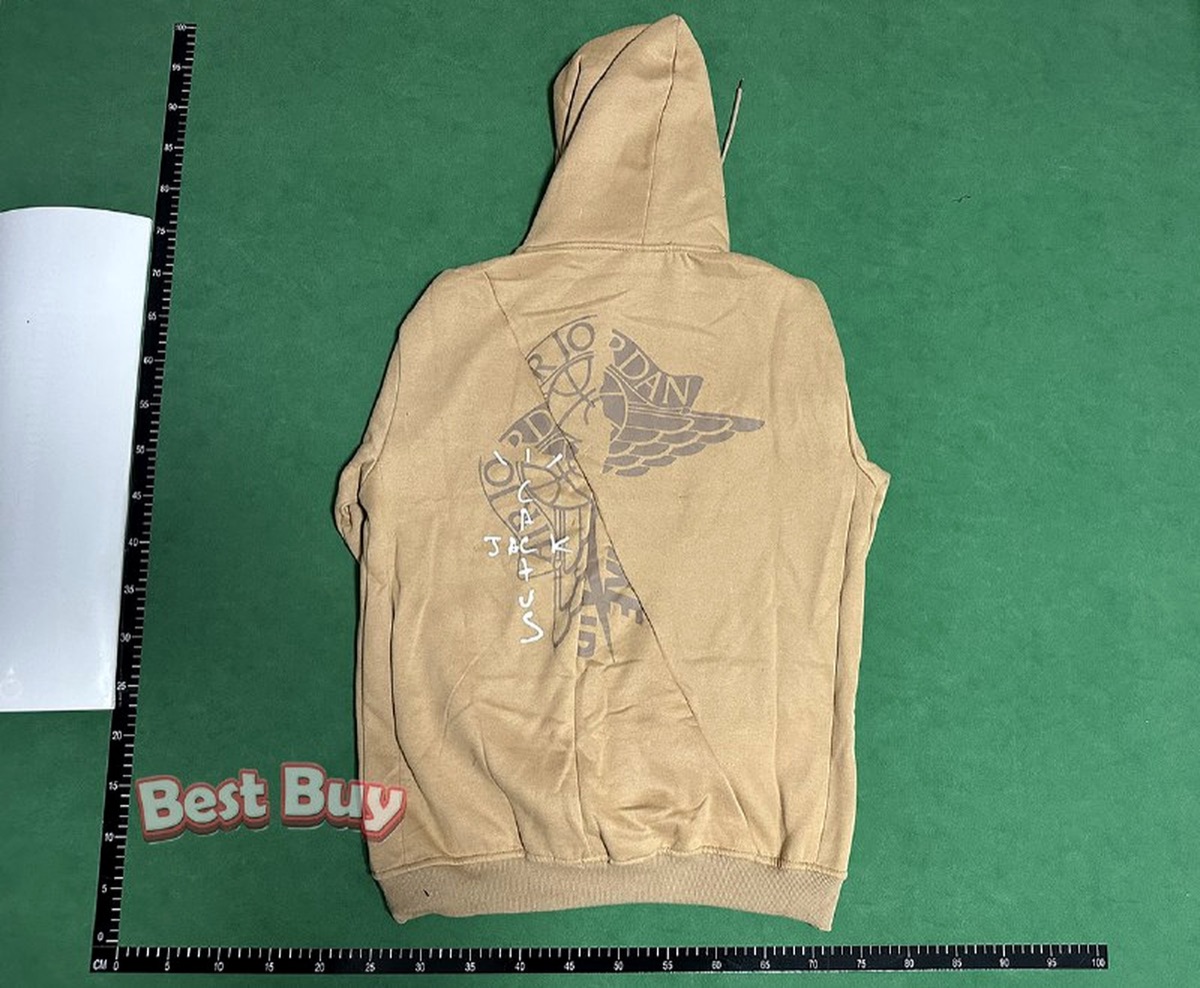
If fit matters, request chest width and length on a measurement mat or with a ruler. A size label alone may not answer oversized, cropped or shrinkage concerns.
Write the request as one clear question so the warehouse team knows exactly what to photograph.
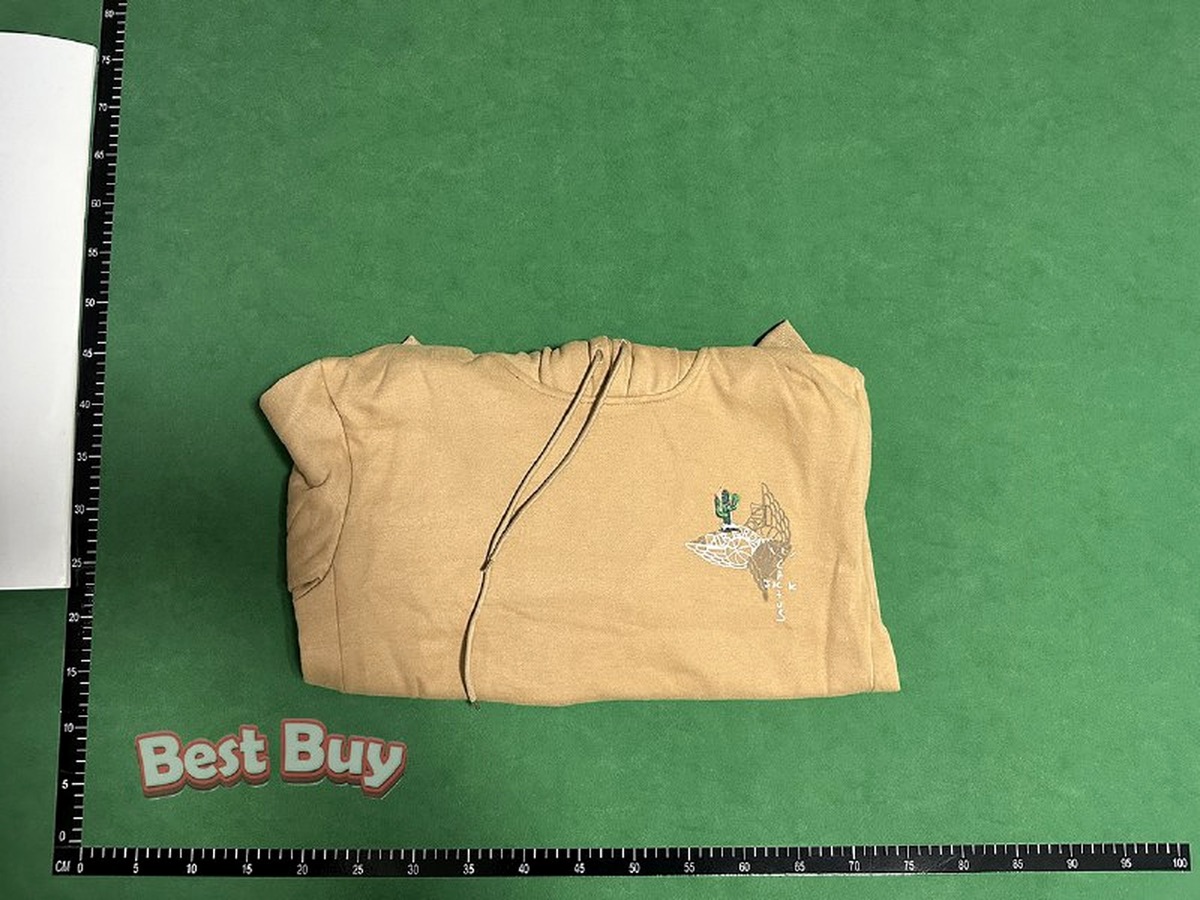
Hoodies usually tolerate compression better than shoes, but heavy prints, raised details or delicate packaging can change the decision. Compare shipping savings with the item condition you want preserved.
Save the final parcel choice together with the approved QC set.
A QC set cannot guarantee fabric content, comfort, long-term durability, official supply or authenticity. It can only help you evaluate visible evidence before shipping.
This limit is important for both user trust and SEO quality.
Chest width and length are usually the first useful measurements; sleeve or shoulder can help if fit is uncertain.
No. It is visible order evidence only.
Usually no. Use front, back, label and measurement evidence when fit matters.
Often yes, but compare savings with print, fabric and condition concerns.