What should I check first in New Balance 9060 Kakobuy QC photos?
Start with the selected size, visible label evidence and both shoes in the same frame. Then review heel, side, sole and packaging photos.
Published August 26, 2026
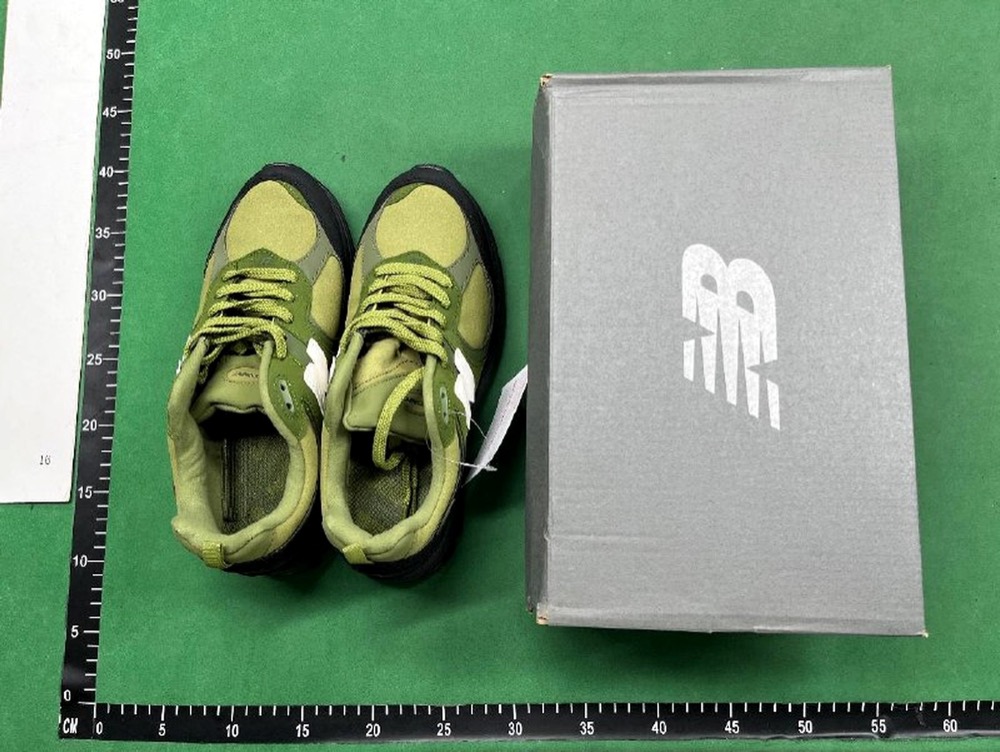
A useful New Balance 9060 QC review is not one pretty photo. It is a short evidence trail: selected size, box label, pair shape, heel view, sole view, measurement context and the final packaging choice before shipping.
Check the official platform and the seller record for current terms. Warehouse photos show visible details but do not certify authenticity or hidden materials.
For a New Balance 9060 order on Kakobuy, the fastest safe workflow is to confirm the order option, review both shoes together, inspect the heel and side shape, check the sole view, then decide whether the box should stay with the parcel.
QC photos can help you catch visible mismatch, damage, wrong size or packaging concerns. They cannot prove authenticity, official supply, hidden material quality, long-term comfort or durability.
Start with the boring evidence because it prevents the most expensive mistakes. Compare the selected size in your order with the visible size tag, box label or option label shown in the warehouse photos.
If the size or label is unclear, request one focused extra photo instead of approving shipping from a general pair shot. Save the original order option and the added evidence together.
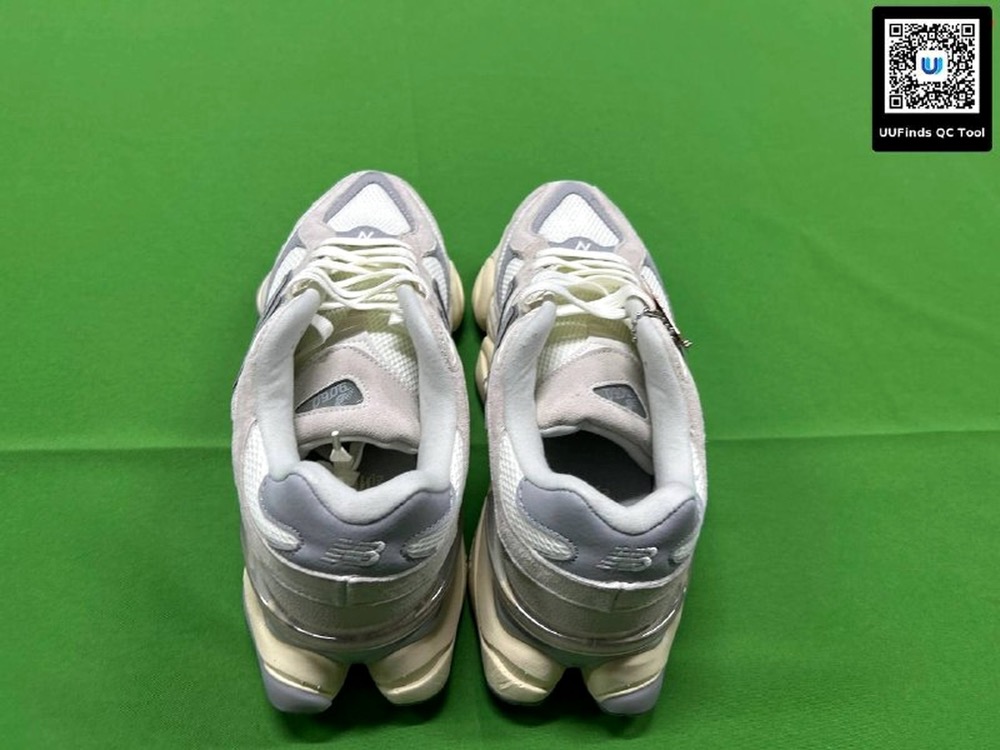
The 9060 has a chunky side profile, so one flattering angle can hide a lot. Compare both shoes in the same frame, then look at the heel view and side view for visible asymmetry, crushed areas or obvious pair mismatch.
Do not over-read tiny differences from camera angle or warehouse lighting. Mark only issues that would change your decision: wrong size, visible damage, obvious shape problem or missing evidence.
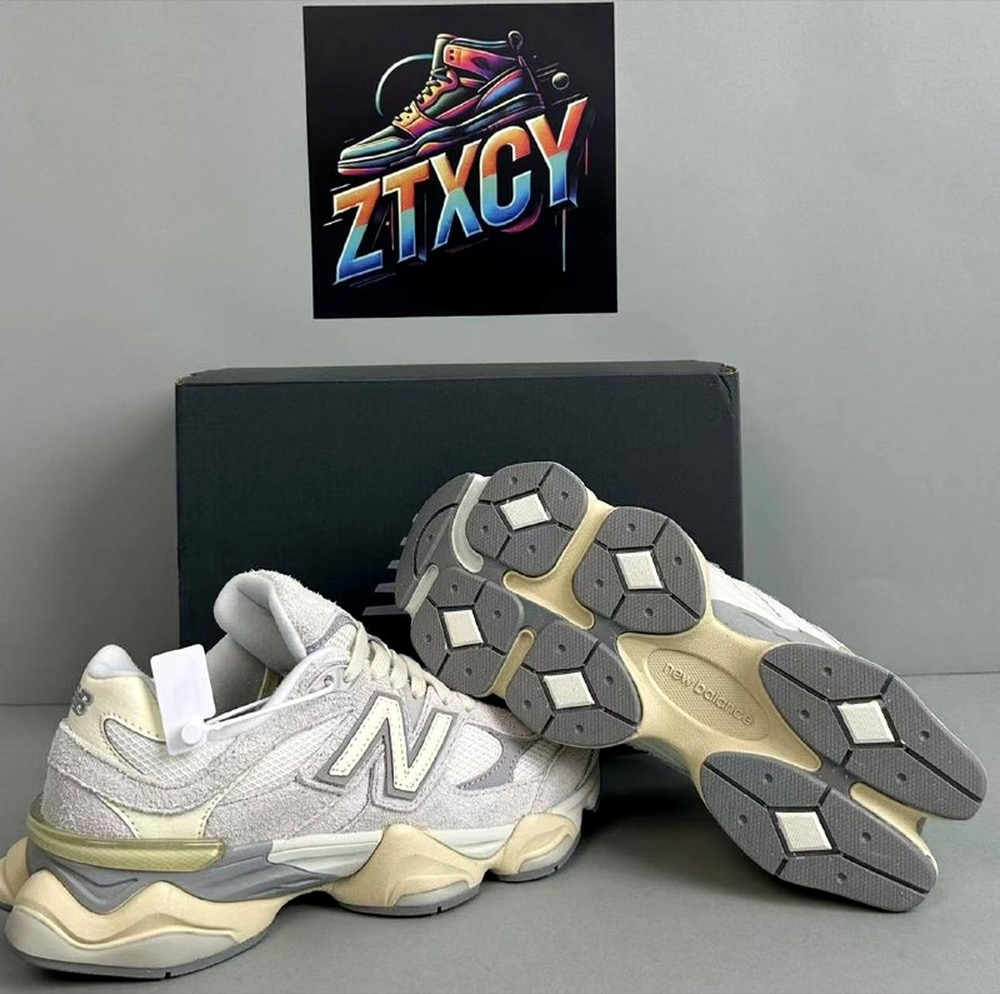
A sole view is not just a cosmetic image. It can show whether both shoes are present, whether the outsole view matches the pair, and whether there are visible marks or deformation that a front view may miss.
If you are comparing several QC sets, keep the sole, side and heel photos in the same folder. That makes it easier to make a calm decision instead of jumping between scattered screenshots.
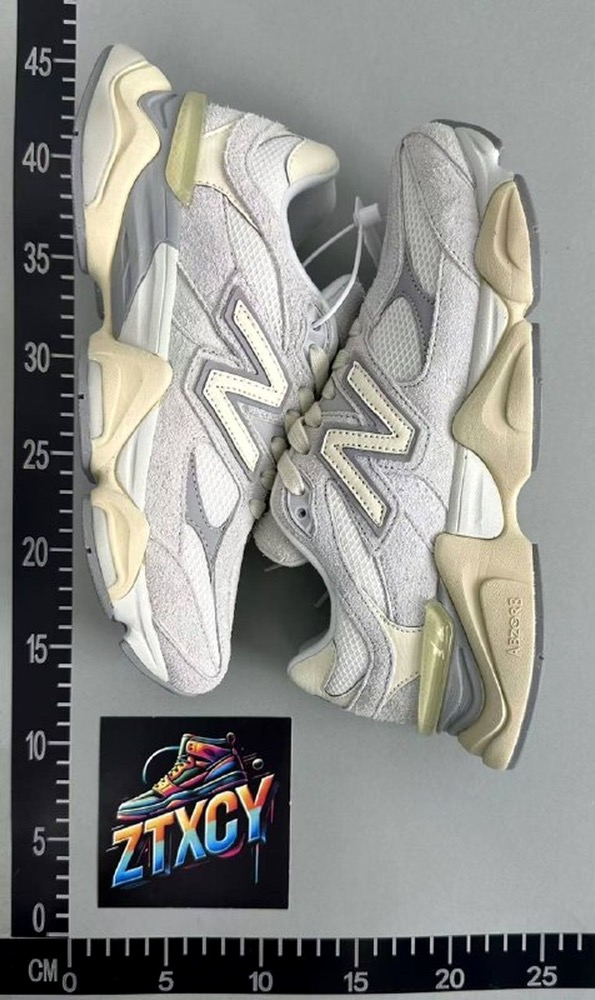
If your main concern is fit, ask for measurement context: insole length when available, a ruler photo, or a clear mat view that makes the size easier to compare. A new beauty angle will not answer a fit question.
Write the request in practical language: “Please show the size tag and an insole or ruler measurement if available.” This is more useful than asking for “more QC photos” without a decision attached.
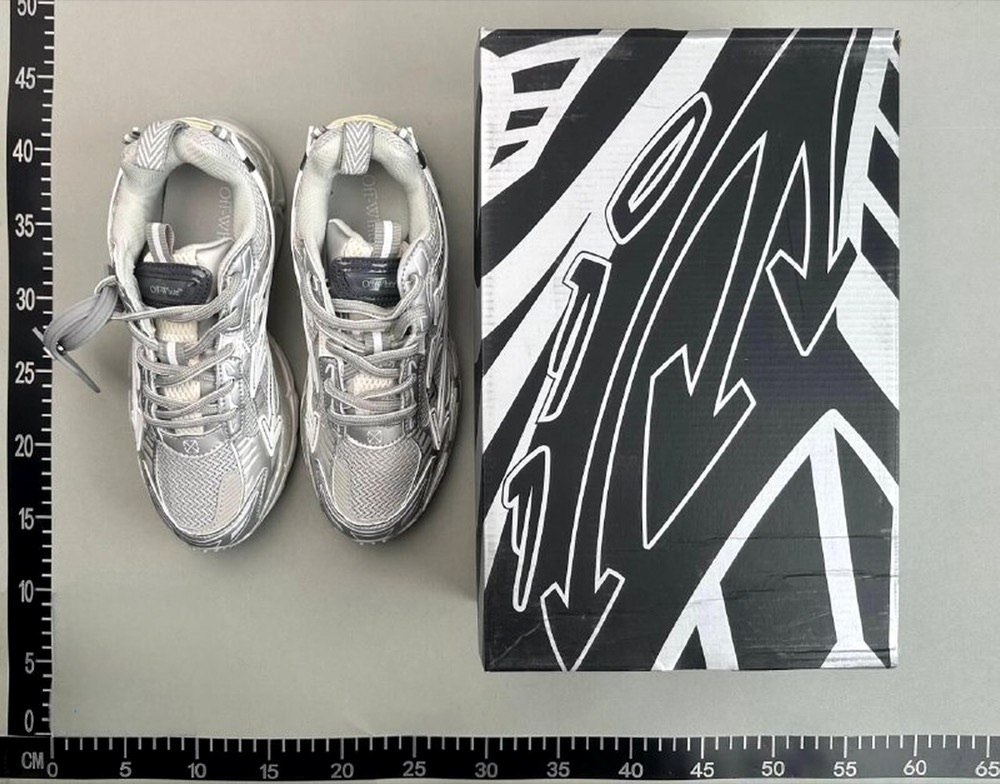
Keeping the shoe box may help protect shape and preserve label context, but it can increase volumetric weight. Removing the box can lower parcel volume, but the pair may need enough protection to avoid compression.
Make the packaging choice after QC approval, not before. Compare route rules, packed dimensions and your tolerance for box removal. Record the final parcel version so you know what was actually shipped.
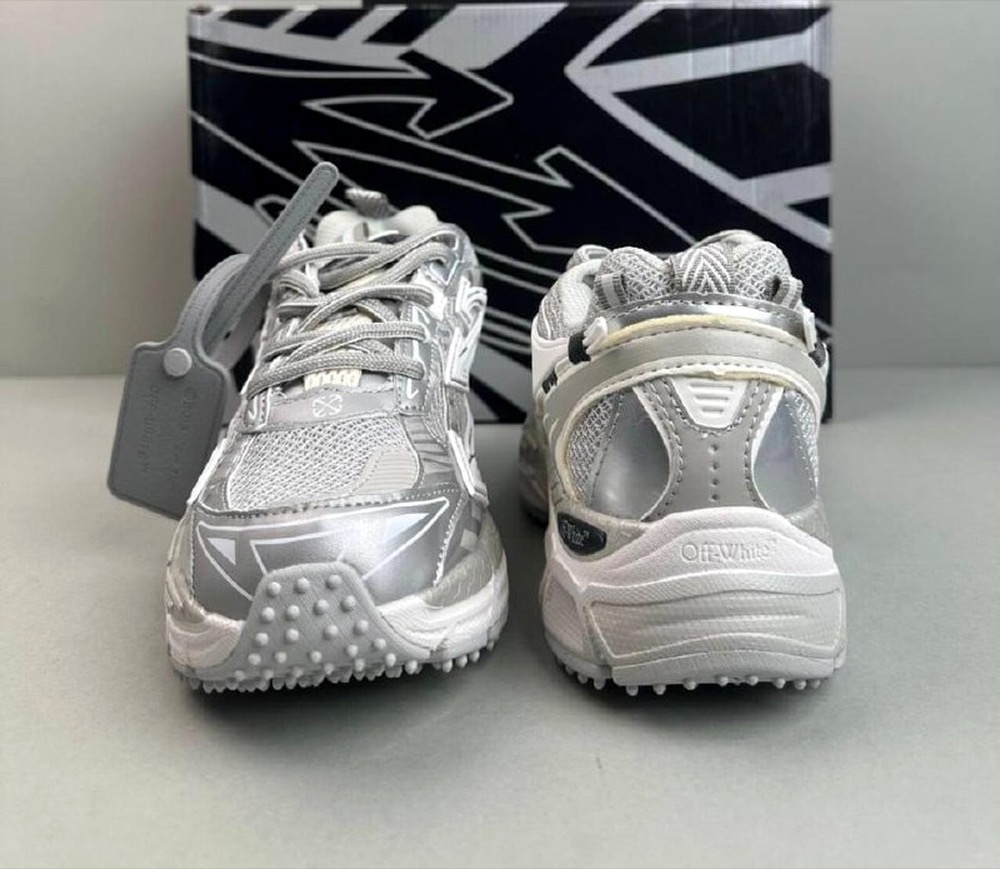
Even a complete QC set has limits. It can document visible condition, option evidence, included packaging and measurements. It cannot verify brand authorization, hidden construction, official authenticity or how the shoe will feel after wear.
That limit is exactly why a checklist works better than hype. Use photos to answer visible questions, then keep the final shipping decision inside what the evidence actually supports.
Start with the selected size, visible label evidence and both shoes in the same frame. Then review heel, side, sole and packaging photos.
No. QC photos can show visible condition and order evidence, but they cannot prove authenticity, official supply or hidden material quality.
Compare protection value, box-label evidence, packed dimensions and route pricing. Keeping the box can protect shape, but it may increase parcel volume.
Request a focused size tag, box label, insole or ruler photo if available. Do not rely on a general front photo when fit is the concern.
Usually no. Use front, side, heel, sole, label and packaging evidence before approving the parcel.