The rule I actually use
I do not choose a size because a spreadsheet says “size up” or because the label says S, M or L. I measure a similar item I already own, order from the seller’s item-specific chart, and then use the warehouse QC photos to check the received item before international shipping.
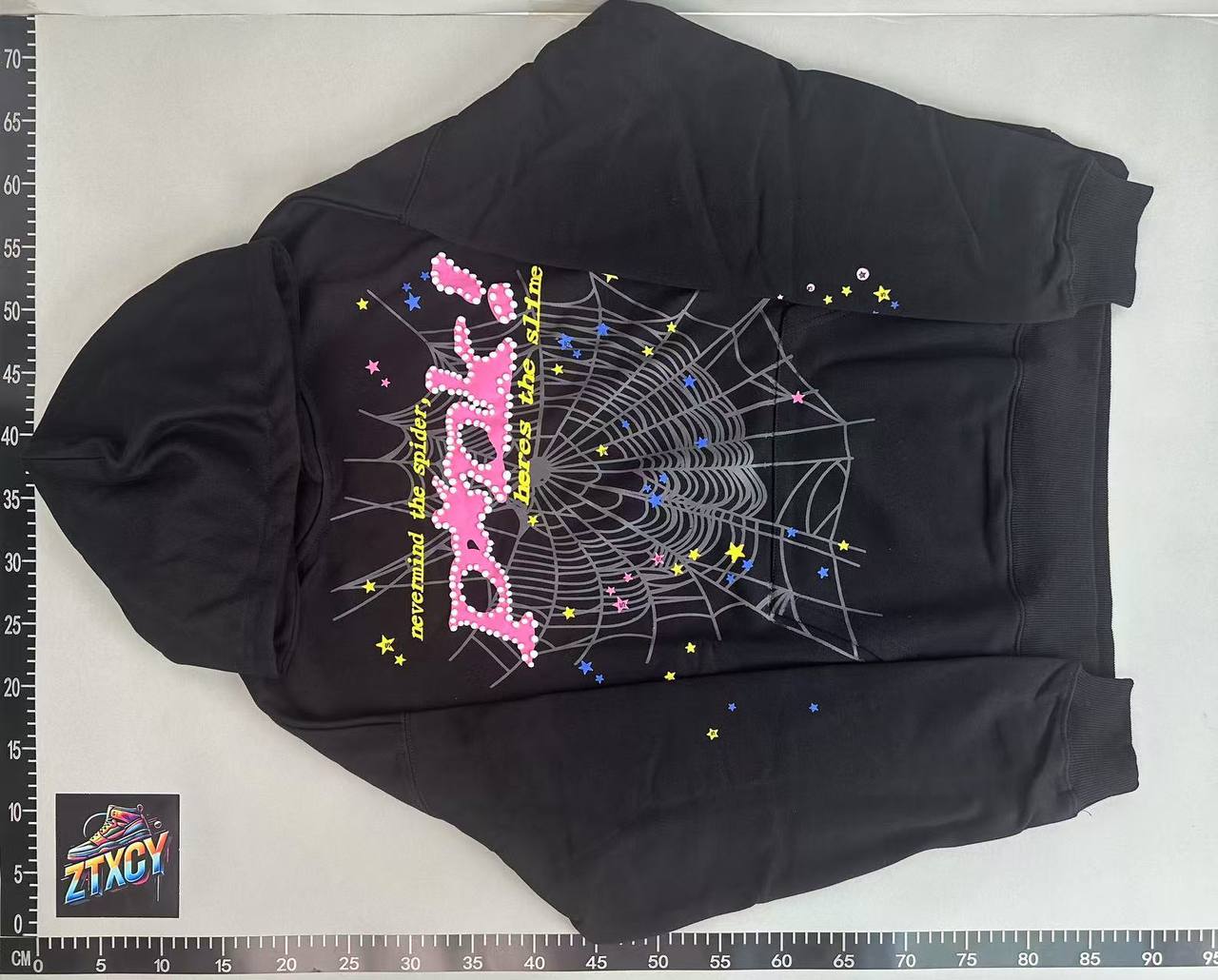
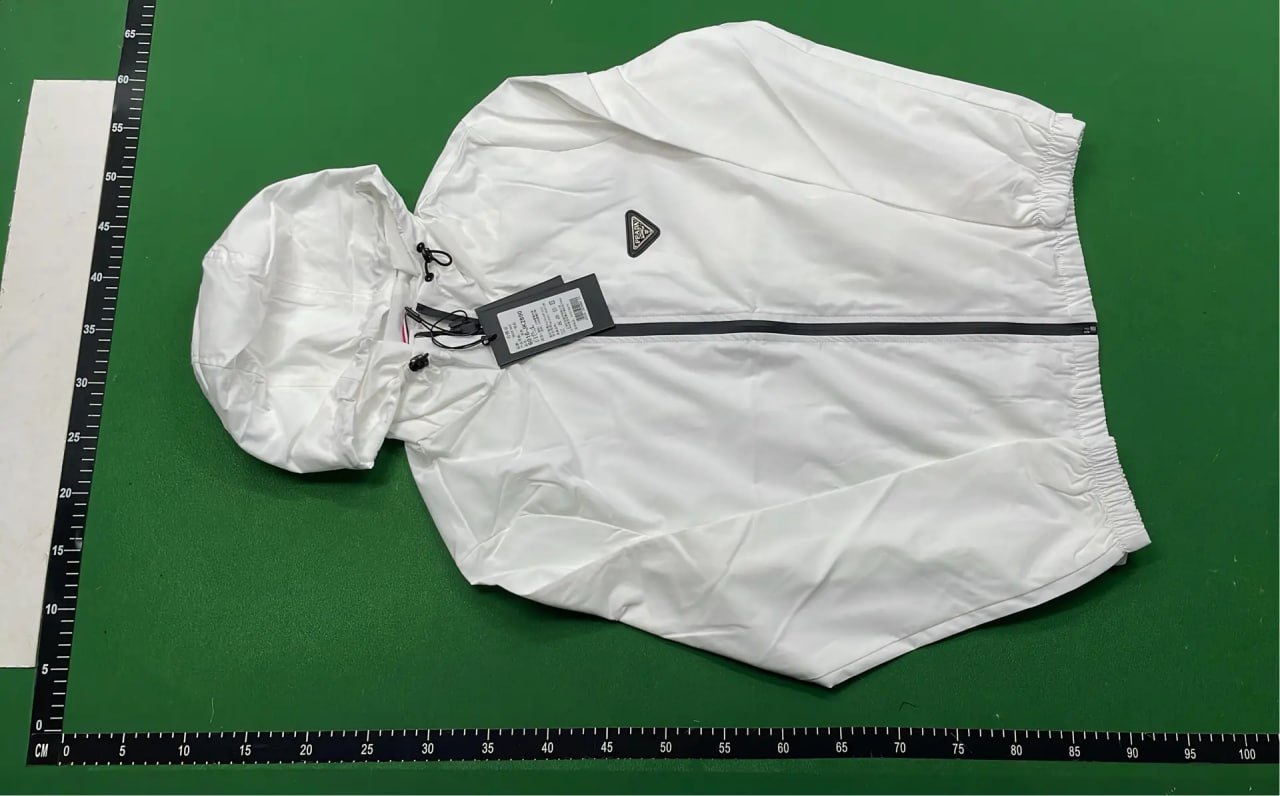
A background measurement board is useful for scale. A straight tape measurement across the exact points that affect fit is better. If the fit decision is close, I ask for a remeasurement rather than guessing.
Why there is no universal Kakobuy size
Kakobuy is an agent platform, not a clothing manufacturer with one grading system. Two seller listings can both call an item “M” while using different patterns, factories, fabrics and finished measurements. A brand-style name in a title does not fix that problem.
This is why generic tables such as “every M hoodie is 59–61 cm across the chest” are misleading. The only useful table before ordering is the chart attached to that exact listing. The useful evidence after ordering is the warehouse record for that exact item.
Which sizing evidence is strongest?
| Evidence | What it can tell you | Limit |
|---|---|---|
| Direct tape measurement | Chest width, body length, waist, inseam or another exact dimension | The item must be flat and the tape must start and end at the right points |
| Measurement-board QC photo | Approximate overall scale and whether the received item looks obviously too large or small | Perspective, folds and poor alignment reduce precision |
| Size label or shoe-box label | Whether the marked option matches the order record | A correct label does not prove the internal dimensions |
| Seller size chart | A pre-order target for the selected option | The finished item can differ, and charts can be copied or outdated |
| Product photo with no scale | Shape, color and visible condition | Almost no reliable sizing information |
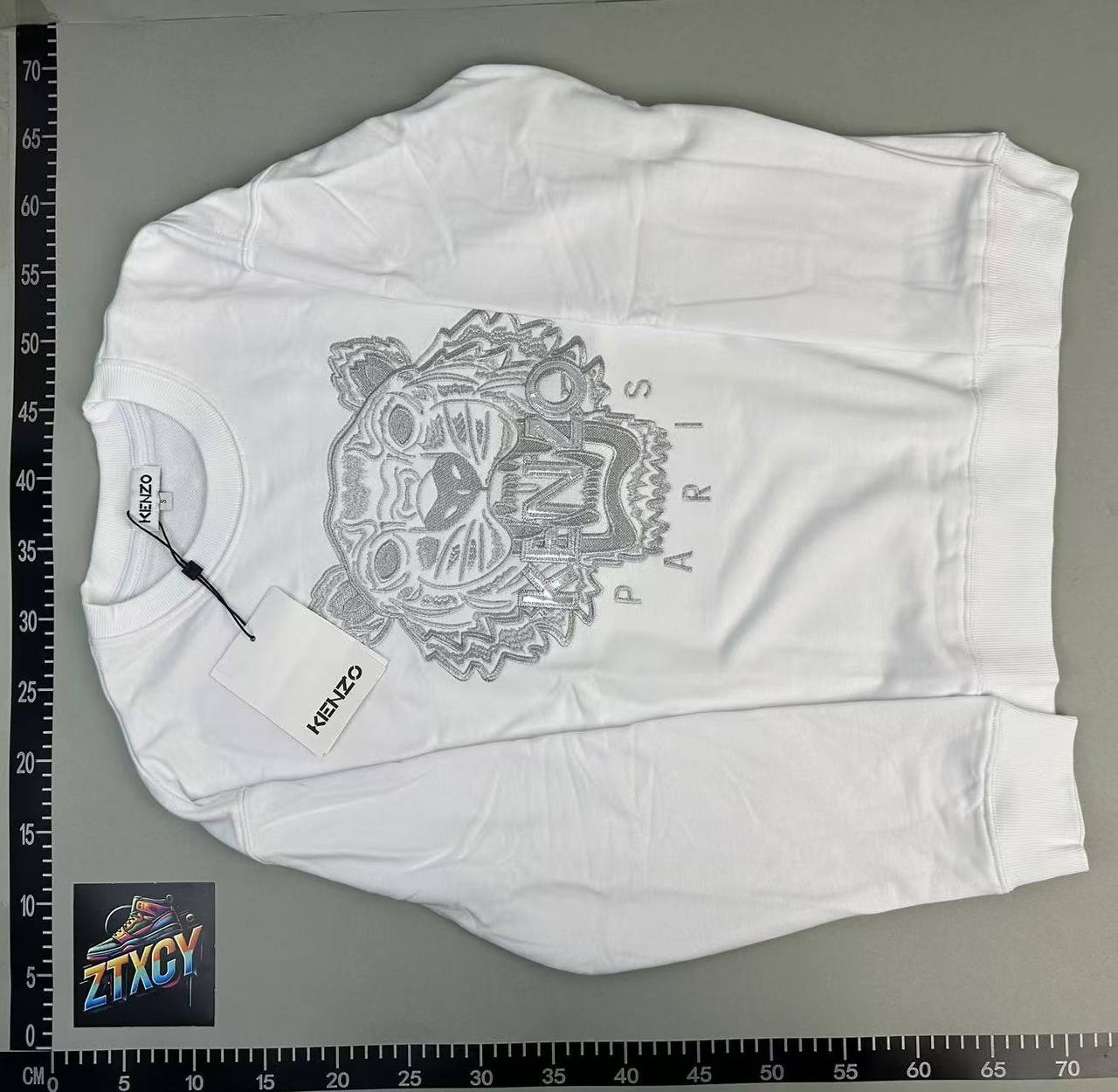
Tops, hoodies and jackets: measure the points that control fit
For a sweatshirt, hoodie or jacket, I compare four measurements with a similar item that already fits: pit-to-pit chest width, body length, shoulder width and sleeve length. I use the same measuring method on both items. Comparing a flat chest width with a full body circumference creates a useless result.
- Chest width: lay the item flat and measure straight from one armpit seam to the other.
- Body length: measure from the shoulder’s highest point to the bottom hem.
- Shoulder width: measure between the shoulder seams across the back.
- Sleeve length: measure from the shoulder seam to the cuff; use collar-to-cuff for raglan sleeves.
Shorts and pants need more than one number
A single overall photo cannot tell me whether pants will fit at the waist, thigh and leg. For an elastic waist, I want the relaxed flat width and—if the warehouse can provide it—the comfortably stretched width. For trousers, I also compare rise, thigh, inseam and total outseam.
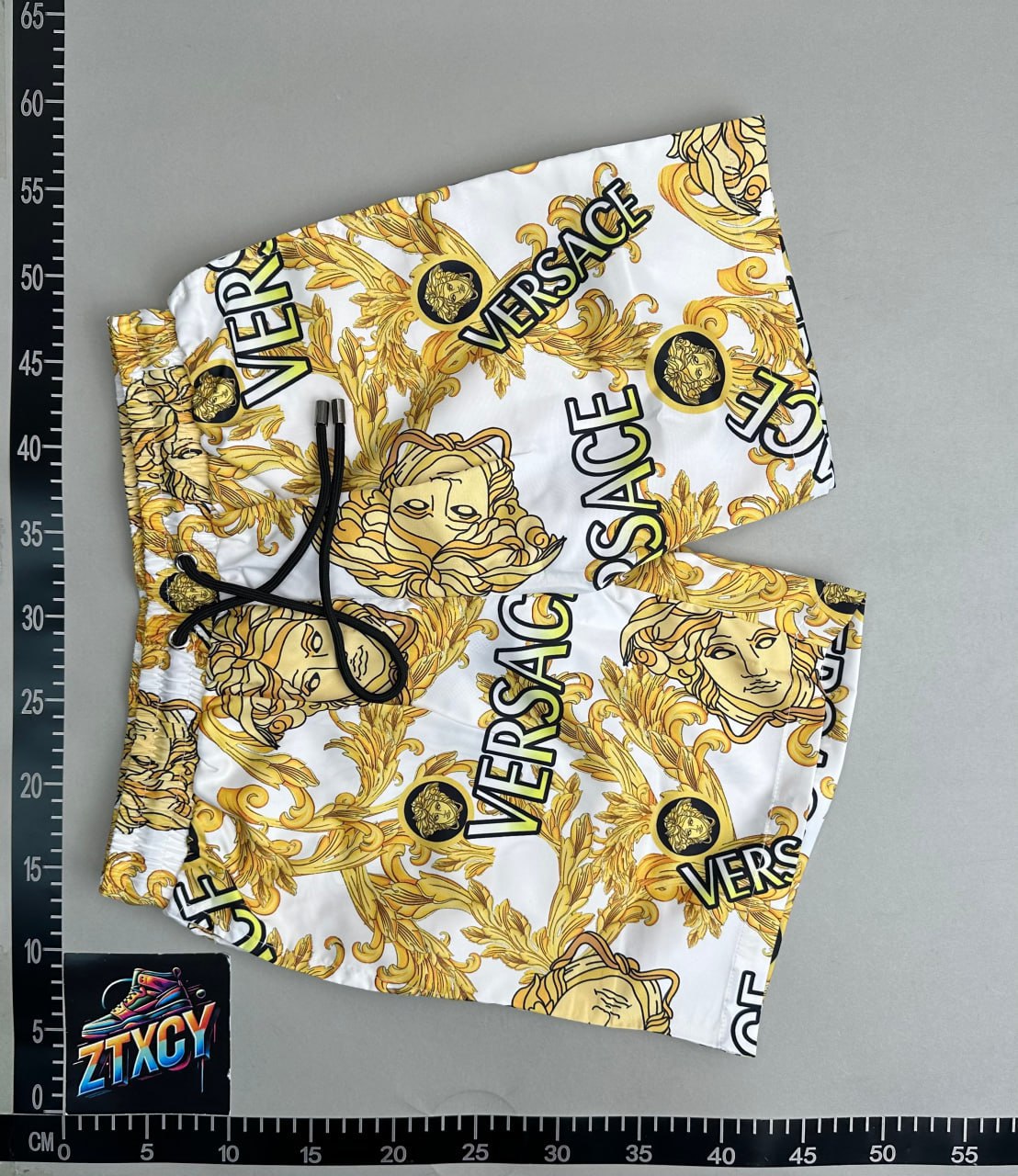
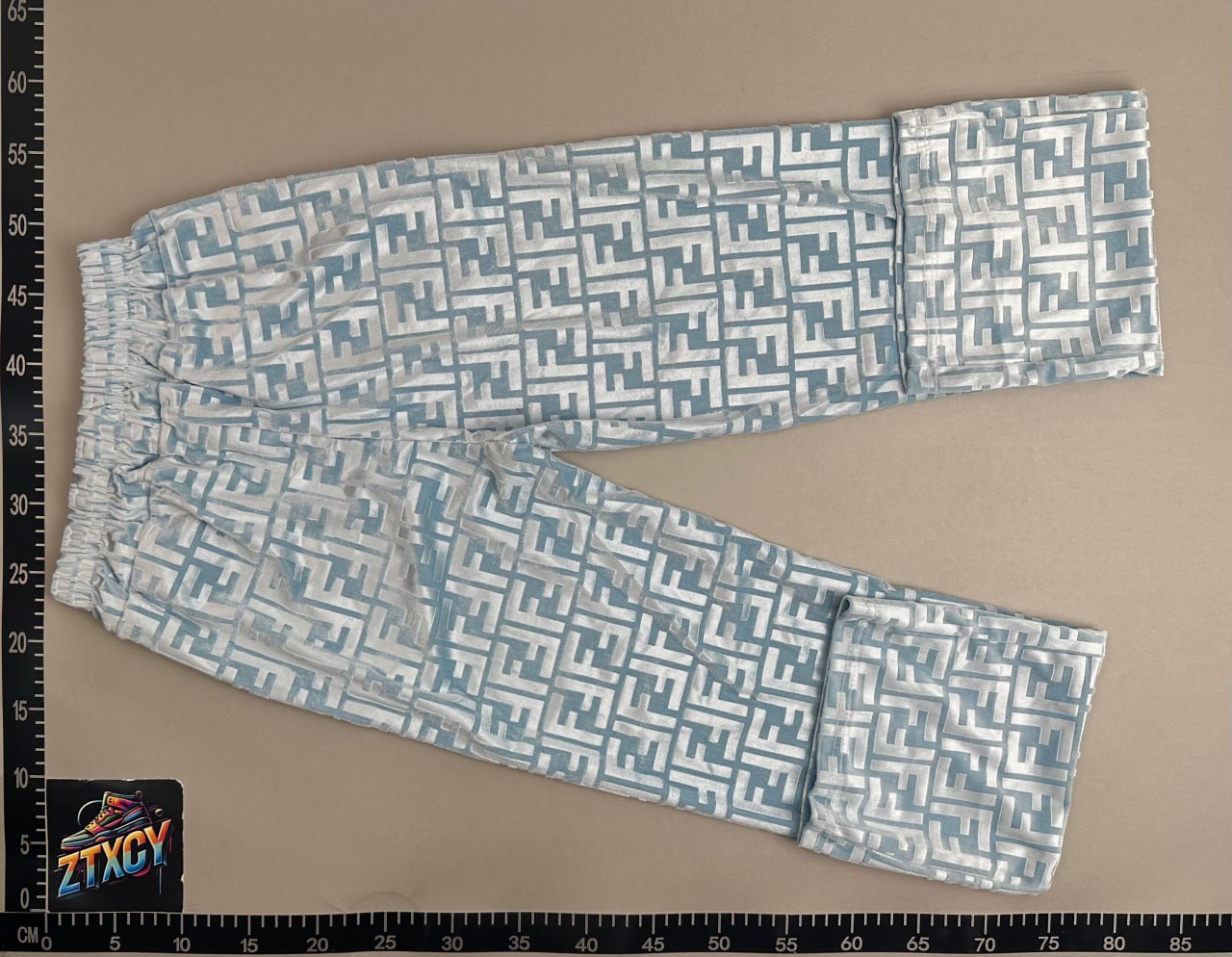
When I compare pants with a pair at home, I measure both garments flat. I do not compare a flat waistband number with the circumference printed on jeans. A 40 cm flat waist is approximately 80 cm around before stretch, but elastic and fabric construction still matter.
Shoes: external length is useful, but it is not foot length
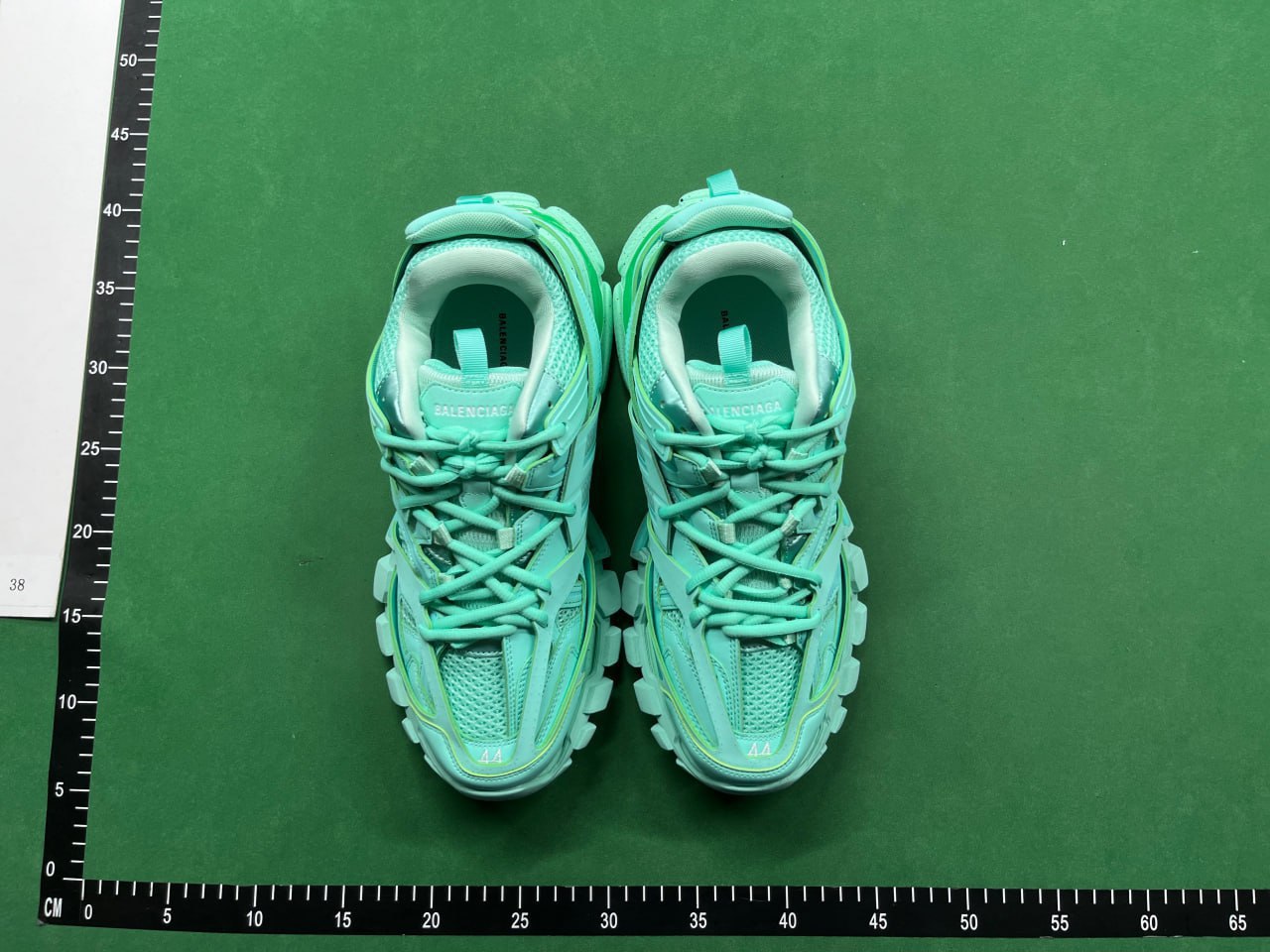
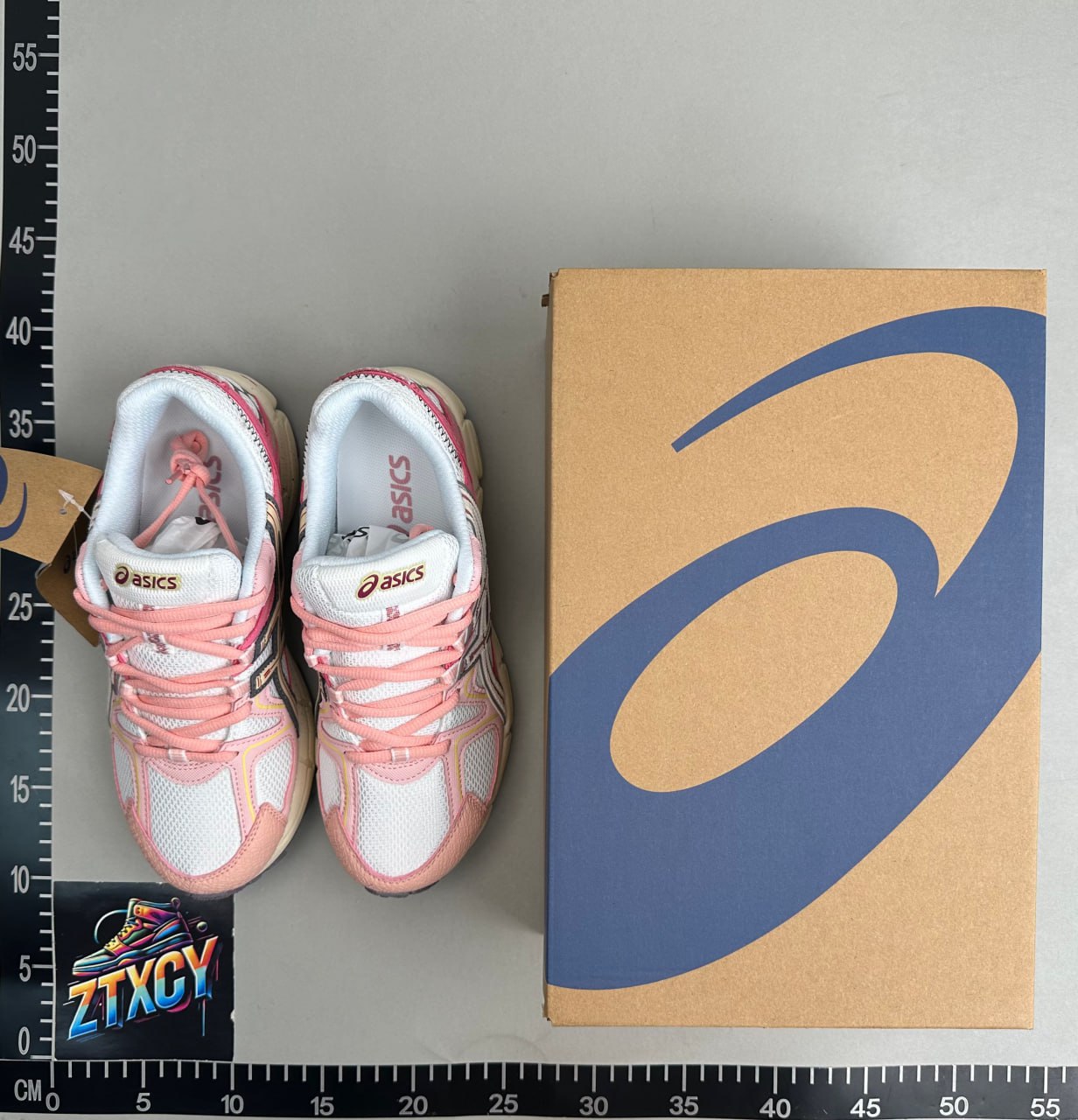
If the removable insole is unavailable, a shoe placed against a measurement board is still useful. It can catch an obviously wrong size or help compare two pairs of the same model. I just do not convert that outside measurement directly into a recommended foot size.
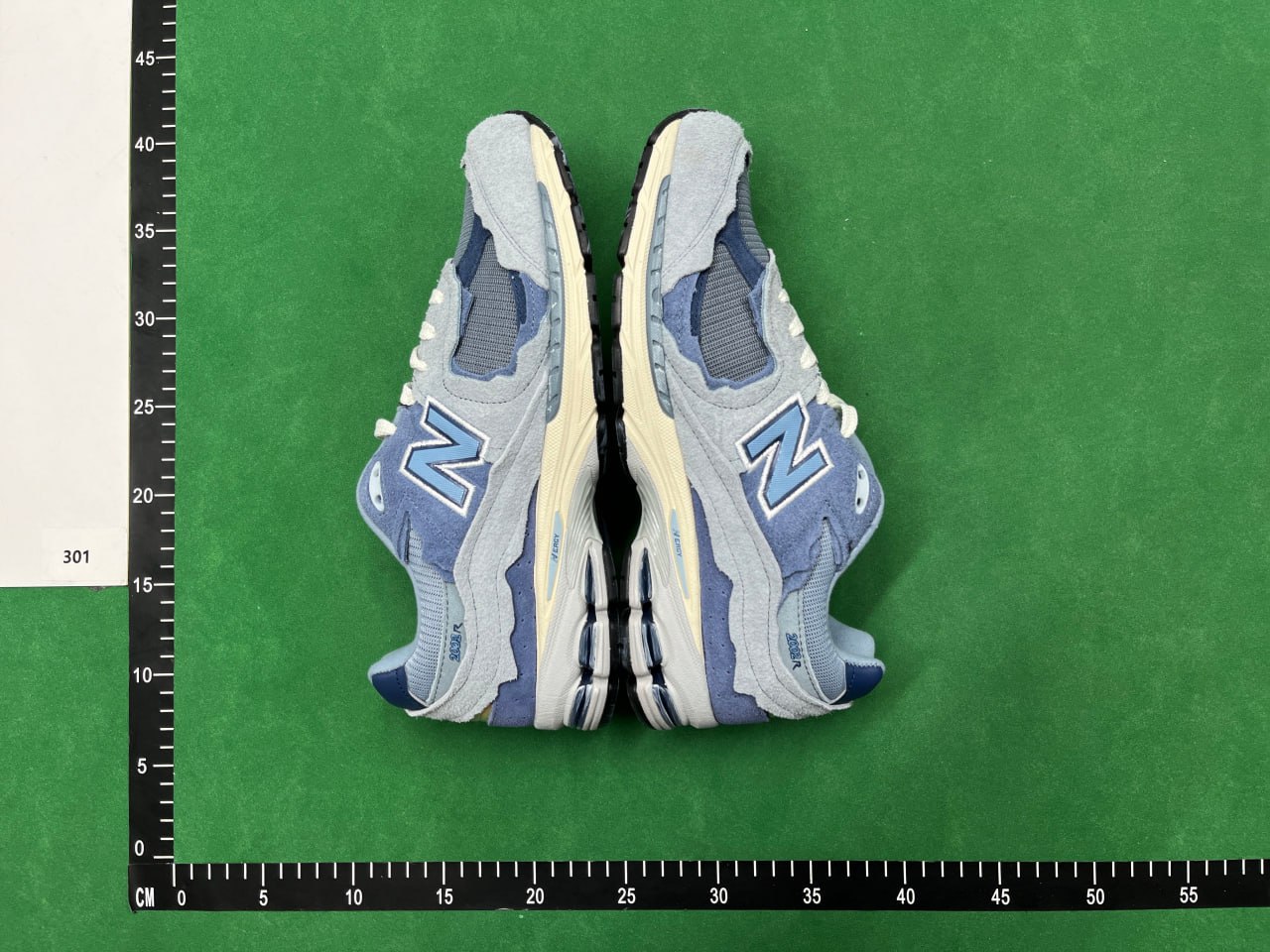
The outsole includes the toe bumper, heel structure and exterior padding. How much longer it is than the inside varies by model. A chunky shoe and a low-profile running shoe with the same marked size can have very different outside lengths.
My Kakobuy sizing workflow before shipping
Measure something that already fits
Use a comparable sweatshirt, jacket, pair of pants or shoe. Record the exact method, not just the final number.
Save the selected listing option
Keep the seller chart, selected size and color with the order. A later QC check is difficult if you cannot see what was ordered.
Check the label and overall QC photo
Confirm that the marked option matches the order and that the received item is the expected model, color and quantity.
Use the board for scale, not false precision
A measurement mat helps identify an obvious mismatch. It does not turn a folded or angled garment into a direct measurement.
Request the one measurement that changes the decision
For a top, that may be chest width. For pants, waist or inseam. For shoes, insole or internal length. Ask while the item is still in the warehouse.
Compare like with like
Use the same endpoints and the same flat-measurement method on your reference item. If the warehouse photo is angled or the tape is loose, ask for a straight remeasurement.
This process is slower than following a universal “size up” rule, but it is much more useful. It also creates a record you can reuse when you order a similar cut again.
What these QC photos can—and cannot—prove
The photos on this page are sizing examples. They can show visible shape, scale, marked sizes and measurement methods. They do not prove authenticity, fabric composition, long-term durability or how an item feels when worn.
Logos and model-style names visible in a warehouse image are treated only as identifying text from the received item. The final keep, exchange or return decision should also use the current seller terms and the warehouse order record.
Frequently asked questions
Is there one standard Kakobuy size chart?
No. Kakobuy is an agent platform, so sizing depends on the seller, product and batch. Use the listing chart before ordering and verify the received item with warehouse QC measurements.
Can a measurement-board QC photo confirm clothing size?
It can show approximate overall scale, but folds, camera angle and alignment limit precision. Request a tape measurement across the exact points that determine fit.
Can I use the outside length of a shoe to choose my size?
Use it only as a secondary check for an obvious mismatch. External length is longer than usable internal length and cannot replace an insole or internal measurement.
What should I do when the QC measurement is unclear?
Ask for a straight, top-down remeasurement while the item is still in the warehouse, then compare it with the same measurement on an item you already own.
Independent sizing guidance based on the supplied warehouse QC photos. Measurements shown or estimated here should be checked against the live order record before parcel submission.